
Road Cycling: World Tour Race
Skyloft Yazılım Bilişim ve Anonim ŞirketiSimulation
4.1153.00 Reviews
- Version
- 0.5.0
- Installs
- 1.00M
- Age Rating
- Teen
Screenshots



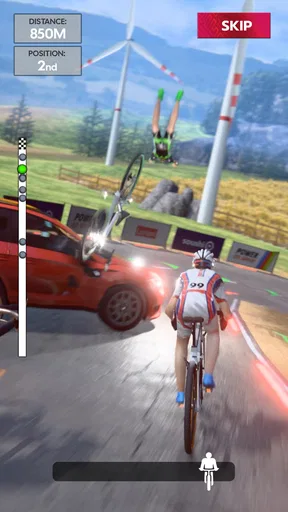
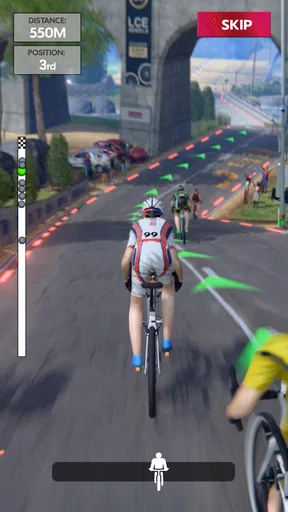
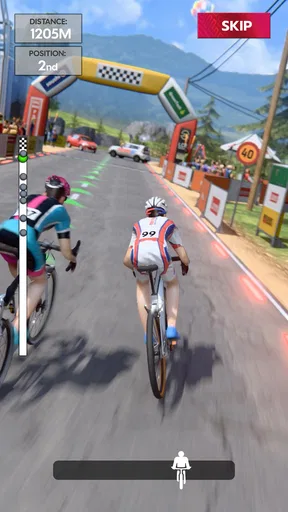
Our Review of Road Cycling: World Tour Race
 Analysis by Appyee
Road Cycling: World Tour Race is the kind of mobile simulation I open when I want cycling competition without committing to a long session or learning a complicated control system first. It puts the focus on road racing, rider and bike progression, and the satisfaction of trying to improve a result rather than simply completing a course. I found the appeal easy to understand: each event gives me a reason to adjust my approach, while upgrades and unlocks create a longer-term goal beyond one race.
It is free to play, developed by Skyloft Yazılım Bilişim ve Anonim Şirketi, and sits in the simulation category. The game is aimed at Teen players, so it feels more suitable for older children and adults than for very young users. Its current version is 0.5.0, and it runs on devices using Android 8.0 or later. That combination matters because this is still an early-feeling release: I would approach it as a growing cycling game rather than a fully mature replacement for a console racing title.
What makes the racing loop enjoyable
The strongest part of the experience is the simple reason to keep returning. I race, look for ways to perform better, and work toward more capable riders and bikes. That loop is familiar, but it works particularly well for short mobile play because a race can feel meaningful even when I only have a few minutes available. The worldwide-tour framing also gives the game a broader identity than a single-track arcade racer.
I especially like the way progression changes how I think about a race. An upgrade is not just a reward sitting in a menu; it gives me a practical question to answer. Should I improve the bike first, invest in a rider, or save resources for an unlock that may offer a bigger improvement later? Even without treating every event like a serious simulation, those decisions add a useful layer of planning.
The game is best approached as a light, accessible cycling simulation rather than a detailed training tool. Players looking for realistic team management, extensive equipment tuning, or a deep recreation of professional cycling may find the structure too streamlined. On the other hand, anyone who enjoys quick races and visible progress will probably understand its appeal within the first few sessions.
The first points of friction are usually practical
When a mobile game does not behave as expected, the problem is often not the racing itself. The first launch can be interrupted by a slow download, an unstable connection, limited free storage, or a device that is technically compatible but struggling with background activity. I would begin with the basics: use a reliable connection, close demanding apps, and make sure the phone has enough free space for the game to install and update comfortably.
Because the minimum operating-system requirement is Android 8.0, an older phone may meet the formal requirement while still delivering an uneven experience. That is not necessarily a fault in the game. Older hardware can have less memory, weaker graphics performance, or more aggressive background-app management. If races stutter, I would first restart the device and close other apps before assuming that an upgrade or purchase will solve the problem.
Another easy mistake is treating the first race as a final judgment. Early progression can feel modest because the available rider and bike options are limited at the beginning. I found it more useful to play several races before deciding whether the improvement loop suits me. The important question is not whether the opening setup feels dominant; it is whether each session gives me a clear reason to continue.
Simple setup checks before spending time or money
I recommend starting with a short, low-pressure setup routine. Install the game on a stable connection, launch it with other heavy applications closed, and let the opening screens finish before repeatedly tapping through them. If the game appears frozen, waiting briefly is safer than force-closing it immediately, especially during a first launch or after an update.
It is also worth checking the device’s battery and heat level. A phone that is already warm or operating in a power-saving mode may reduce performance. That can make a racing game feel less responsive even when the application itself is working normally. Playing with a reasonable battery level and without several demanding apps running in the background is a small change, but it can make the controls feel much more consistent.
The game is free to download, but in-app purchases range from $1.99 to $99.99 per item. I would treat the upgrade path as something to explore before buying anything. A useful personal rule is to play enough to understand which part of progression is actually slowing me down. If I do not yet know whether I prefer improving a bike or unlocking a rider, spending early makes it harder to judge the game fairly.
That price range also makes parental awareness important. The Teen content rating does not automatically mean every player will be comfortable with the purchase structure. If the game is being used on a shared family device, I would check the device’s purchase controls before handing it to a younger player. This is a practical safeguard, not a criticism of the racing design.
Recovering a session when progress or loading goes wrong
If a race fails to load, I would use a gradual recovery process rather than immediately reinstalling. First, return to the main screen if possible and try again on the same stable connection. If that does not help, close the game normally, reopen it, and restart the device only if the problem continues. This avoids turning a temporary loading issue into a more complicated setup problem.
When an update has just been installed, I would give the game one clean restart before changing anything else. Repeatedly switching between networks, force-stopping the application, and reinstalling in quick succession can make it difficult to know which action helped. A calm sequence of checks is more useful: connection, available storage, restart, then reinstall only as a last resort.
I would be particularly careful before removing the game if I have made progress I care about. A reinstall can reset local information in some mobile games, and I would not assume that uninstalling is harmless. If the game opens but a specific reward, race, or unlock appears incorrect, recording what happened and contacting the developer, Skyloft Yazılım Bilişim ve Anonim Şirketi, is more sensible than repeatedly deleting the application.
There is a broader lesson here for progression-focused games: avoid making a purchase or changing the installation while the app is in an unstable state. First restore normal launching and racing, then check whether the progression issue remains. That separation helps distinguish a temporary technical problem from a design choice that simply feels slow.
Separating game problems from phone and network problems
Road racing naturally makes connection quality noticeable if a session depends on online loading or account activity, but a poor connection can also affect the store, device services, or background verification. If other applications are struggling at the same time, I would not blame this game immediately. Testing the phone with another ordinary app can show whether the issue is broader than the race.
Storage is another overlooked cause. A phone may show enough space for everyday use but still become unreliable when an application needs room for an update or temporary files. Clearing unused downloads and restarting before trying again is a sensible first step. I would avoid deleting personal files impulsively; the goal is to create a little working room, not to perform a complete cleanup.
Performance problems can also come from heat. If the game feels smooth at the start and becomes less responsive after a longer session, I would pause and let the phone cool rather than repeatedly changing settings. Thick cases, direct sunlight, and simultaneous charging can all make heat worse. A cooler device is often a better test of the game’s real performance than a phone running under heavy thermal stress.
Finally, the version matters. The game is currently at version 0.5.0, so an issue may be corrected in a later update, while a new update may also introduce temporary rough edges. Keeping the application current is sensible, but I would not confuse the presence of an update with proof that every problem will disappear. The most useful report includes the device model, operating-system version, what action caused the issue, and whether restarting changed anything.
How I would build a better everyday routine
My preferred way to play is to separate racing from upgrading. I first complete a few events and pay attention to where I am consistently losing ground. Only then do I spend resources. This prevents the common mistake of upgrading whatever is most visible in the menu rather than addressing the weakness that actually affects my results.
For a short weekday session, I would choose one clear objective: finish a race, test whether a change helps, or work toward a particular unlock. That keeps the game from turning into aimless menu browsing. It also makes the progression feel more measurable, even when the game does not provide the depth of a full management simulator.
A useful trade-off is resisting the urge to improve everything at once. Spreading resources across several riders and bikes may feel satisfying, but it can leave the whole collection only slightly stronger. Concentrating on the setup I use most often gives me a clearer sense of progress. Later, once that setup feels reliable, I can decide whether variety is worth the additional cost in time or purchases.
I would also treat every race as a small experiment. Change one thing, play again, and compare the result with my own previous attempt rather than expecting a dramatic transformation. This approach is especially helpful for players who enjoy simulation because it turns upgrades into decisions instead of automatic rewards.
Who will enjoy it, and who should choose something else
This game is a good fit for someone who likes cycling themes, quick competitive sessions, and a steady path toward better riders and bikes. It also suits players who want more structure than an endless arcade race but do not want to study a complex control scheme or manage a full professional team. The free entry point makes it easy to test that balance personally.
I would recommend looking elsewhere if your main goal is authentic race strategy, detailed real-world rosters, or a highly technical cycling experience. A dedicated cycling manager may be better for someone who wants schedules, tactics, and long-term team decisions. A physics-heavy racing game may be preferable for someone who cares more about precise handling than unlock progression. Road Cycling: World Tour Race occupies the middle ground: approachable simulation with a clear upgrade chase.
It may also be a poor match for players who dislike any form of in-app purchase. The game can be played for free, but the presence of items from $1.99 through $99.99 means the purchase layer is part of the overall experience. I would not recommend it to someone who knows that optional spending prompts will overshadow the enjoyment of racing, even if that player never intends to buy anything.
For families, the Teen rating should guide the decision rather than the cycling theme alone. Parents should consider the player’s age, comfort with competitive progression, and access to purchases. For adults and older teens who understand those boundaries, the game is easier to evaluate on its actual strengths: accessible races, collection goals, and a compact mobile format.
My practical verdict after weighing the rough edges
Road Cycling: World Tour Race succeeds when I use it as a focused mobile racing game, not when I expect it to replace a deep cycling simulator. Its worldwide racing identity, rider and bike progression, and free starting point give it a clear reason to exist. The average rating of 4.1 from around ten thousand ratings, together with more than a million installs, suggests that its straightforward approach has found a substantial audience, while the smaller review count shows why I would still judge it by my own device and play style.
The early version is the main reason I would keep expectations measured. Setup and performance can depend heavily on the phone, connection, heat, and available storage. Those checks are not glamorous, but they prevent many false conclusions. If the game loads normally and the races feel responsive, the upgrade loop has enough structure to support regular short sessions.
My strongest advice is to delay purchases, focus upgrades around one preferred setup, and use a few races to identify what is genuinely holding back progress. That workflow makes the free experience easier to judge and reduces the chance of spending before understanding the game. It also turns the lighter simulation design into an advantage: I can play with a plan without needing a long evening to manage every detail.
In the end, I would suggest trying it to friends who want a casual-to-moderate cycling simulation with visible progression and do not mind a developing mobile release. I would steer serious cycling strategists toward a deeper alternative, and I would caution anyone sensitive to purchase prompts or device-performance issues. For the right player, though, this is a pleasant way to fit road-racing goals into an ordinary day, one short event and one carefully chosen improvement at a time.
Verdict
Strengths of Road Cycling: World Tour Race
- Realistic road layouts inspired by iconic cycling routes
- Short races fit easily into quick gaming sessions
- Simple controls are accessible for casual players
- Progression gives goals beyond individual race victories
- Works well for fans who enjoy competitive time trials
Limitations of Road Cycling: World Tour Race
- Limited variety may make repeated races feel predictable
- Some events can feel difficult without upgraded equipment
- Performance may vary on older phones
- Online competition can depend heavily on connection quality
- The interface may feel basic compared with larger racing games
Other Releases by Skyloft Yazılım Bilişim ve Anonim Şirketi
View All
Gang Wars : Street Crime
Action4.6
Similar Picks in This Category
View All
Truckers of Europe 3
Wanda Software4.3

Town Building Life Simulator
XGame Global4.2

Fidget Toys Trading・Pop It 3D
Freeplay Inc4.7

Sculpt People
CrazyLabs LTD4.4

Scary Teacher 3D
Z & K Games4.2

Hair Tattoo: Barber Shop Game
CASUAL AZUR GAMES4.3
Frequently Asked Questions
What is Road Cycling: World Tour Race?
Road Cycling: World Tour Race is a cycling game focused on competitive road racing and stage-based events. Players take part in challenging routes inspired by professional tours, manage their rider’s effort, and aim to finish ahead of the opposition. The experience combines racing decisions, endurance management, and progression, making it suitable for players who enjoy sports games with more strategy than simple arcade controls.
How does the gameplay work in Road Cycling: World Tour Race?
The gameplay revolves around completing road races while choosing the right moments to conserve energy, follow rivals, attack, or push toward the finish. Different sections of a route can test speed, climbing ability, and stamina, so constantly riding at maximum effort is not always the best approach. Success generally depends on balancing aggressive moves with careful energy management.
Can I play Road Cycling: World Tour Race offline?
Road Cycling: World Tour Race may allow some single-player content to be accessed without a constant internet connection, but availability can depend on the specific mode, device, and current version of the app. Online features, advertisements, updates, leaderboards, or synchronized progress may require connectivity. It is best to launch the game once while connected before traveling or playing without reliable internet.
Is Road Cycling: World Tour Race free to download?
The game can generally be downloaded without an upfront purchase, although the exact store listing and monetization options may vary between Android and iOS. Free versions can include advertising, optional purchases, or progression-related items. Before installing, check the official store page for current in-app purchase details, permissions, supported devices, and any requirements that could affect the overall playing experience.
Is Road Cycling: World Tour Race suitable for casual players?
Yes, the game can be enjoyable for casual players who want short cycling races and straightforward sports gameplay, especially when they are willing to learn how pacing and stamina work. However, players expecting a completely automatic arcade experience may need time to understand the racing rhythm. More dedicated cycling fans will likely appreciate the tactical decisions and competitive progression more deeply.
Play our best games!


